centaur
retribution s01
spiderman-1962
tower-prep
van der valk 2020
1977
first steps
covert affairs s03
Paris Is Always A Good Idea
Dan simmons
shop for killers s02e05
black room 1982
tidal
S01
s04e08 from
code-2024
momswap
rl..fr-FR
ts boss
SHIIIT
▲
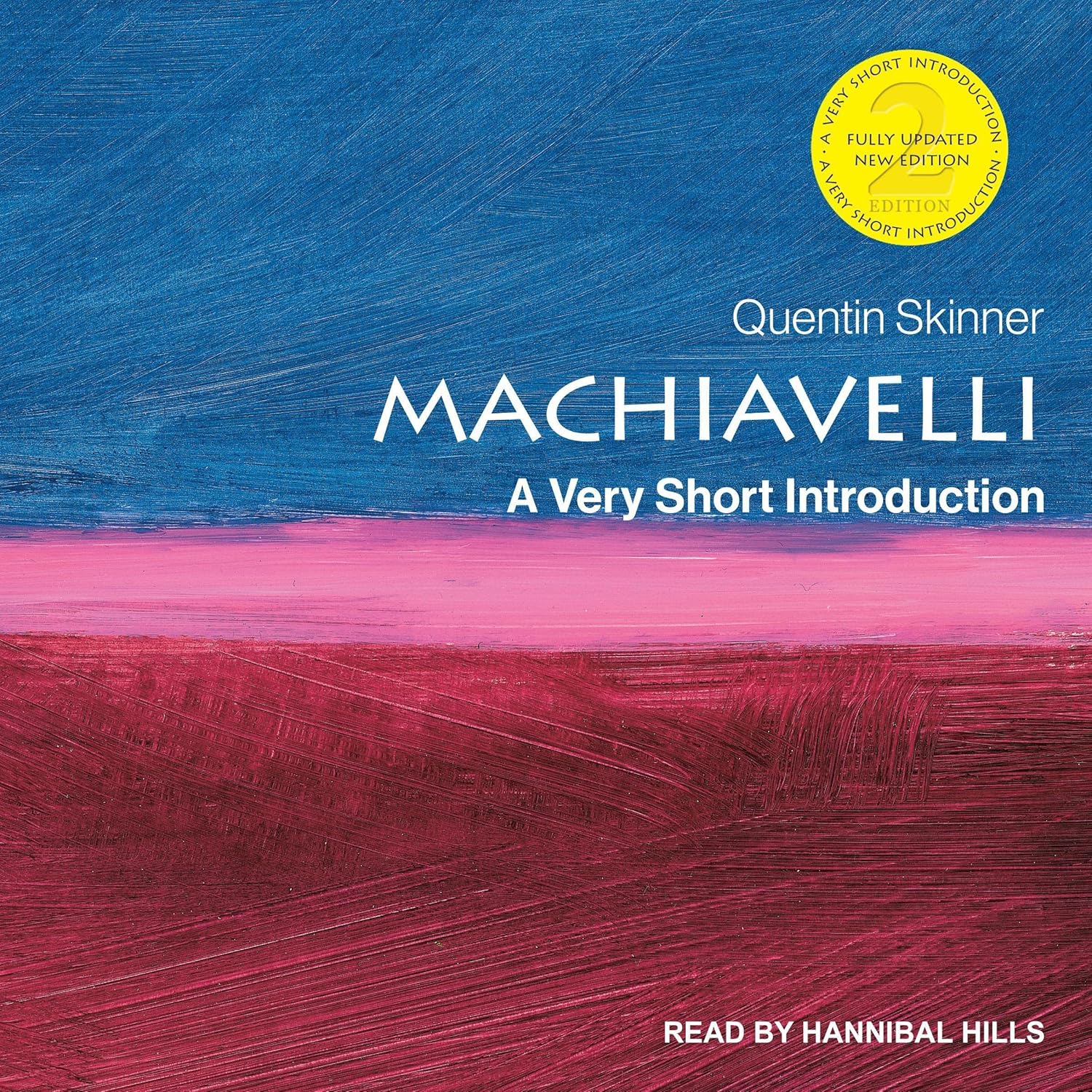
Machiavelli, 2nd Edition: A Very Short Introduction - Quentin Skinner
seeders: 20
leechers: 1
Download Fast Safe Anonymous
movies, software, shows...
movies, software, shows...
Files
Machiavelli, 2nd Edition: A Very Short Introduction - Quentin Skinner (Size: 236.11 MB)
| .pad | |||
| 0 | 30 KB | ||
| Machiavelli, 2nd Edition_ A Very Short Introduction.jpg?042148 | 1.36 MB | ||
| Machiavelli, 2nd Edition_ A Very Short Introduction.m4b | 234.72 MB |
Description
Category: Misc. Non-fiction
Language: English
Keywords: Philosophy Very Short Introductions
Written by Quentin Skinner
Read by Hannibal Hills
Format: M4B
Bitrate: 128 Kbps
Unabridged
Length: 4 hrs and 16 mins
Release date: 07-13-21
Niccolo Machiavelli taught that political leaders must be prepared to do evil so that good may come of it, and his name has since become a byword for duplicity and immorality. Is his sinister reputation deserved? In answering this question, Quentin Skinner traces the course of Machiavelli’s adult life, from his time as Second Chancellor of the Florentine republic, during which he met with kings, the pope, and the Holy Roman Emperor; to the fall of the republic in 1512; to his death in 1527. It was after the fall of the Republic that Machiavelli composed his main political works: The Prince, the Discourses, and The History of Florence.
In the second edition of his Very Short Introduction, Skinner includes new material on The Prince, showing how Machiavelli developed his neo-classical political theory, through engaging in continual dialogue with the ancient Roman moralists and historians, especially Cicero and Livy. The aim of political leaders, Machiavelli argues, should be to act virtuously so far as possible, but to stand ready “to be not good” when this course of action is dictated by necessity. Exploring the pivotal concept of princely virtu to be found in classical and Renaissance humanist texts, Skinner brings new light to Machiavelli’s philosophy of a willingness to do whatever may be necessary to maintain a position of power.
All Comments