1977
african-goddess
samber s01
cyberpunk
Star Wars acolyte
office 2024
primus
1977
Harry Wild
lenoir
do-t
CONPIRACY
Scorpions
Ravyn Lenae – Blue Island
cornelius
count zero
hevc x265 bone
star-wars-revisited
manga-comic
x men apocalypse
▲
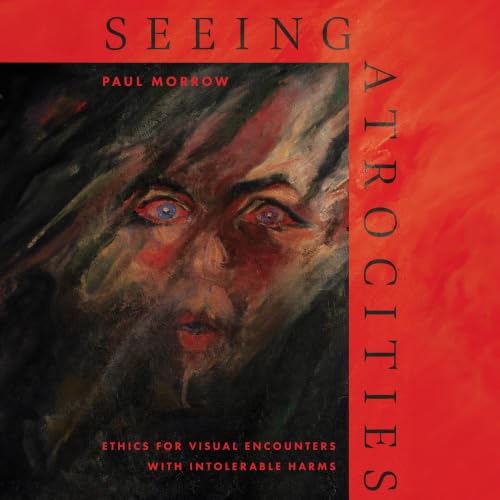
Seeing Atrocities: Ethics for Visual Encounters with Intolerable Harms - Paul Morrow
seeders: 10
leechers: 3
Download Fast Safe Anonymous
movies, software, shows...
movies, software, shows...
Files
Seeing Atrocities: Ethics for Visual Encounters with Intolerable Harms - Paul Morrow (Size: 166.24 MB)
| Paul Morrow - Seeing Atrocities Audiobook.mp3 | 166.24 MB |
Description
Category: History, Political
Language: English
Keywords: Atrocity Collective-trauma Complicity Dehumanisation Desensitisation Emotional-detachment Historical-memory Human-suffering Indifference Moral Conflict Moral-responsibility Power Abuse Psychological Trauma Violence Witnessing
Written by Paul Morrow
Format: MP3
Bitrate: 64 Kbps
In the 21st century, it is impossible to avoid seeing atrocities. Pictures of grievous death populate the pages of newspapers and aggregators almost daily. Billboards and banner ads for humanitarian organizations routinely feature scenes of famine and forced displacement. With the spread of social media, our closest friends and relatives have become key sources of visual encounters with intolerable harms. Seeing Atrocities explains what we stand to gain from such encounters, and supplies crucial tools for navigating them. Images–from photographs and films to children’s drawings and VR-renderings–convey vital information about causes and culpability for atrocities. At the same time, images increasingly serve as vectors for mis- and disinformation, fueling conspiracy theories and inspiring acts of violent extremism. Whether in the classroom or the courtroom, the museum or the living room, the stakes of visual encounters with atrocities are substantial. So too are the risks of misjudging them. By showing what it means to see atrocities as atrocities, Paul Morrow forges new links between ethics, political philosophy, and the philosophy of perception. By surveying a broad range of visual encounters with atrocities, he aids lawyers, journalists, and educators in their efforts to teach, report on, or adjudicate such harms. Finally, by proposing specific norms for seeing, sharing, and exhibiting atrocities, he addresses moral questions confronting every reader in our globally connected world.
All Comments