lost in paradise 2026
minecraft
rise of the villains
the-kicks
living hell
1977
the offer s01e02
an-american-in-paris
maya and samar
wings
lanterns
mw
silence of lambs
Legend.of.Vox.Machina.S04E11
lana sharapova living hell
1977
bishoujo senshi sailor moon s 05
The Traitors AU S03E05
dark matter s01e04
dont-mess-with-the-zohan
▲
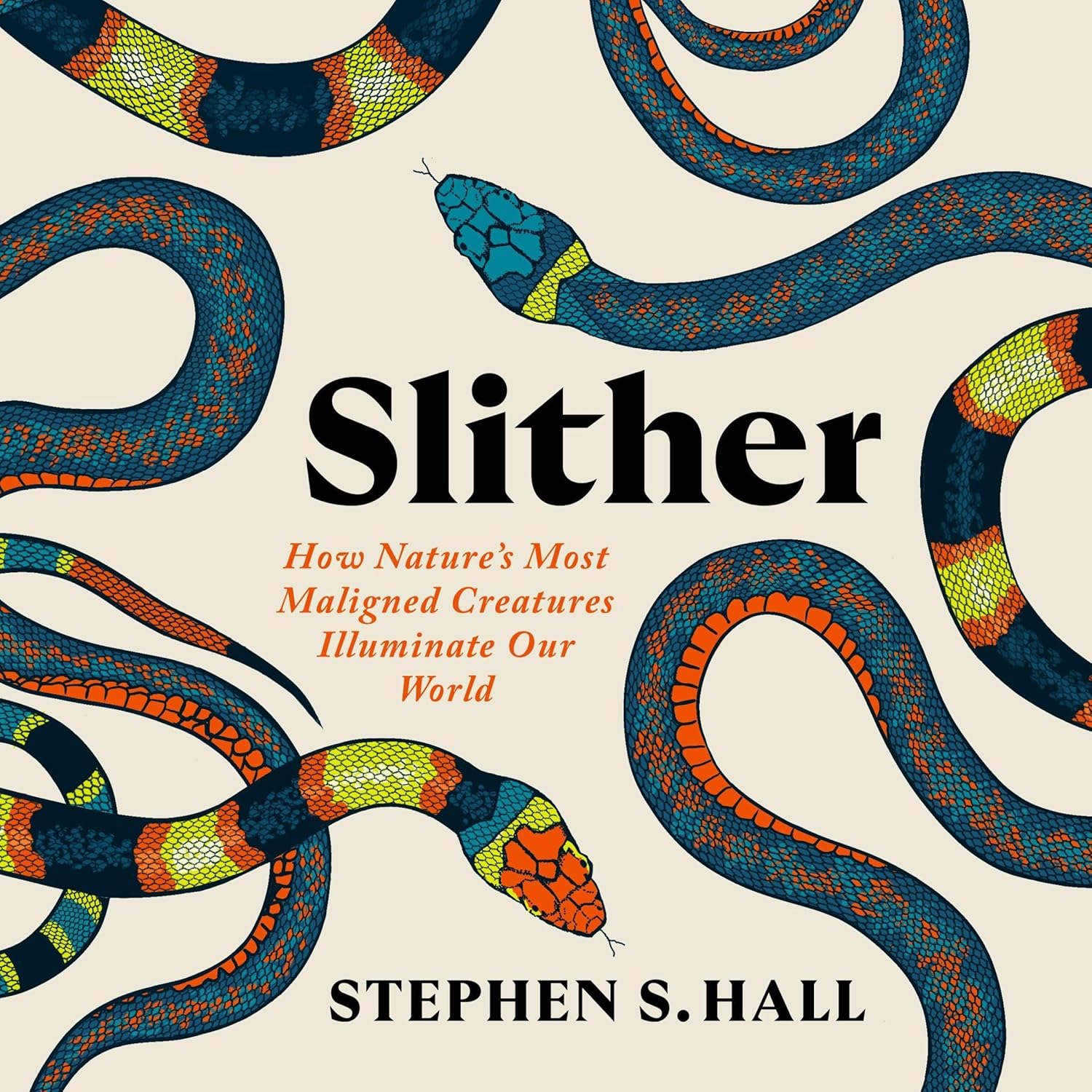
Slither: How Nature’s Most Maligned Creatures Illuminate Our World - Stephen S. Hall
seeders: 16
leechers: 0
Download Fast Safe Anonymous
movies, software, shows...
movies, software, shows...
Files
Slither: How Nature’s Most Maligned Creatures Illuminate Our World - Stephen S. Hall (Size: 349.05 MB)
| .pad 0 | 151.74 KB | ||
| .pad 1 | 118.07 KB | ||
| .pad 10 | 229.46 KB | ||
| .pad 11 | 31.86 KB | ||
| .pad 12 | 119.04 KB | ||
| .pad 2 | 125.17 KB | ||
| .pad 3 | 99.78 KB | ||
| .pad 4 | 42.97 KB | ||
| .pad 5 | 30.88 KB | ||
| .pad 6 | 147.13 KB | ||
| .pad 7 | 152.56 KB | ||
| .pad 8 | 15.09 KB | ||
| .pad 9 | 144.15 KB | ||
| Cover.jpg?042148 | 310.9 KB | ||
| Part 001.mp3 | 480.14 KB | ||
| Part 002.mp3 | 392.96 KB | ||
| Part 003.mp3 | 20.99 MB | ||
| Part 004.mp3 | 37.47 MB | ||
| Part 005.mp3 | 42.38 MB | ||
| Part 006.mp3 | 46.85 MB | ||
| Part 007.mp3 | 38.21 MB | ||
| Part 008.mp3 | 33.1 MB | ||
| Part 009.mp3 | 38.4 MB | ||
| Part 010.mp3 | 33.36 MB | ||
| Part 011.mp3 | 42.38 MB | ||
| Part 012.mp3 | 12.36 MB | ||
| Part 013.mp3 | 1.03 MB | ||
| ▲ 27 total files | |||
Description
Category: Other
Language: English
Keywords: Animals Biology Ecology Nature
Written by Stephen S. Hall
Read by Jonathan Todd Ross
Format: MP3
Bitrate: 64 Kbps
Unabridged
Length: 12 hrs and 30 mins
Release date: 04-22-25
In this “wise and wondrous” (David Quammen) exploration, a science writer reintroduces readers to The Snake, encouraging our initial reaction to the slithery creature to be one of awe rather than disgust.
For millennia, depictions of snakes as alternatively beautiful and menacing creatures have appeared in religious texts, mythology, poetry, and beyond. From the foundational deities of ancient Egypt to the reactions of squeamish children today, it is a historically commonplace belief that snakes are devious, dangerous, and even evil. But where there is hatred and fear, there is also fascination and reverence. How is it that creatures so despised and sinister, so foreign of movement and ostensibly devoid of sociality and emotion, have fired the imaginations of poets, prophets, and painters across time and cultures?
In Slither, Stephen S. Hall presents a naturalistic, cultural, ecological, and scientific meditation on these loathed yet magnetic creatures. In each chapter, he explores a biological aspect of The Snake, such as their cold blooded metabolism and venomous nature, alongside their mythology, artistic depictions, and cultural veneration. In doing so, he explores not only what neurologically triggers our wary fascination with these limbless creatures, but also how the current generation of snake scientists is using cutting-edge technologies to discover new truths about these evolutionarily ancient creatures—truths that may ultimately affect and enhance human health.
All Comments